

Fume Collector System
Our fume collection systems are engineered to capture and filter airborne fumes, smoke, and fine particulate generated during industrial processes such as welding, cutting, grinding, and thermal operations. Designed for centralized air filtration, the system removes contaminants at the source to improve indoor air quality, enhance operator safety, and support regulatory compliance. High-efficiency filtration combined with optimized airflow management ensures reliable performance in demanding production environments.
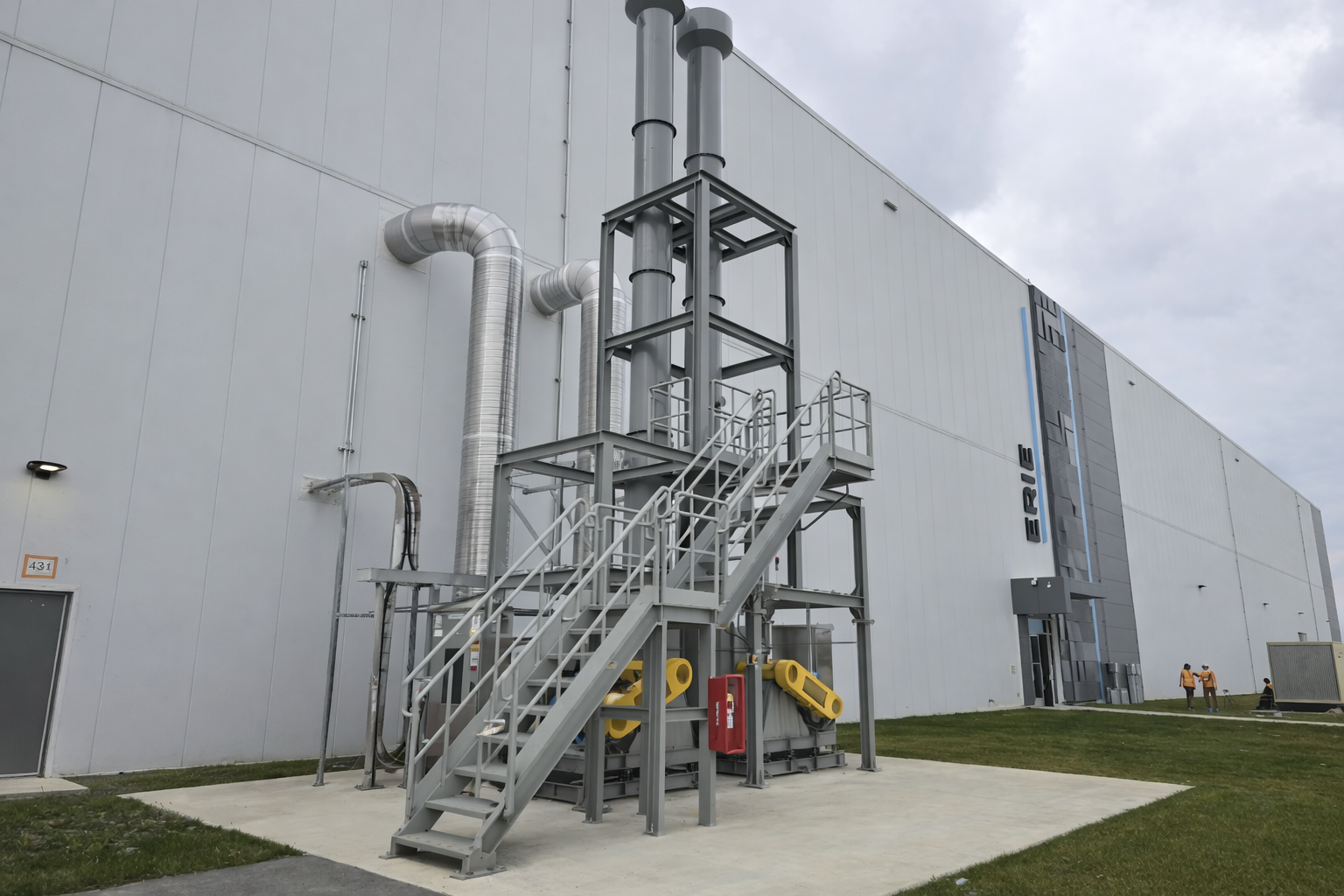
System Overview
The centralized fume collection system utilizes a ducted extraction network to capture contaminated air directly from emission points and convey it to a central filtration unit. Advanced filter media separates fine particulate and fumes before returning clean air to the workspace or exhausting it safely outdoors. The system is engineered for continuous operation, maintaining stable airflow and consistent filtration efficiency across multiple workstations.
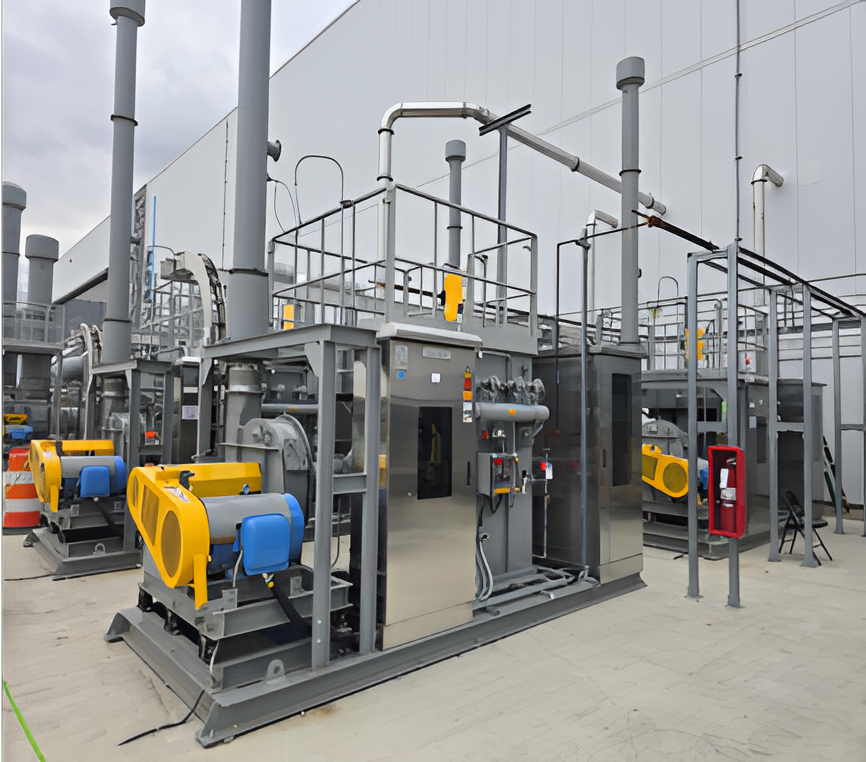
Key Features & Benefits
Designed for industrial durability and performance, the system incorporates high-efficiency filtration technology capable of capturing submicron particles commonly produced during welding and metal processing applications. Balanced airflow distribution improves collection efficiency while reducing energy consumption. Modular system design allows flexible integration with facility layouts and supports scalable expansion as production demands change.
Special Features:
- Explosion Isolation Valve (Backflow / Flame Arrest Damper)
- Explosion Ventilation Panel (Explosion Vent)
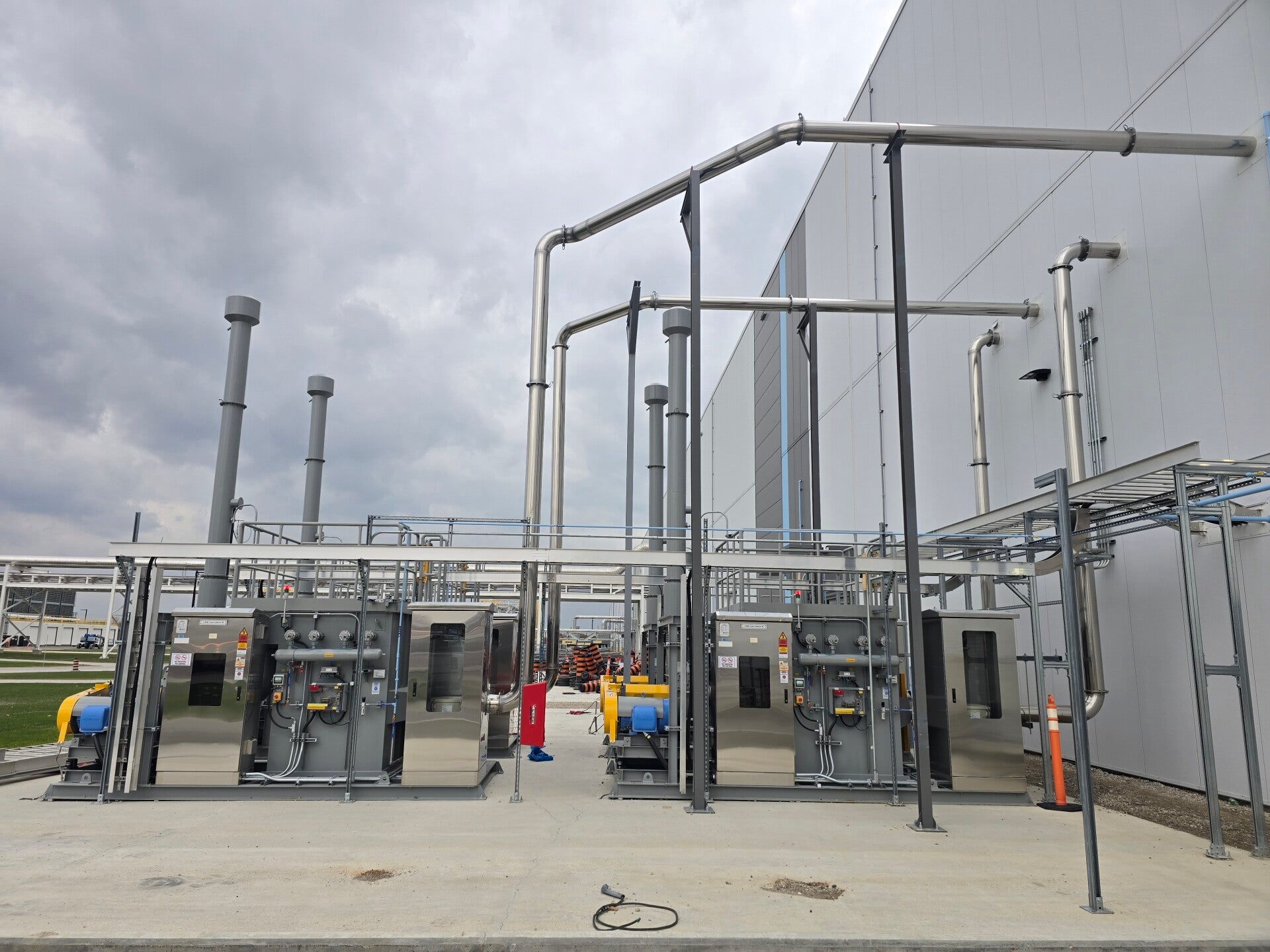
Specifications & Configuration
Each fume collection system is engineered according to airflow requirements, contaminant characteristics, and operational conditions. Configurations may include extraction arms or hood connections, ductwork networks, high-efficiency filter assemblies, automatic filter cleaning mechanisms, fan systems, and control panels. Engineering parameters such as airflow capacity (CFM), filtration efficiency, static pressure, and electrical specifications are determined during system design.