

Dust Collector System
Our centralized dust collection systems efficiently capture airborne dust and particulate from multiple sources, improving indoor air quality and supporting cleaner, safer industrial operations. Designed for reliability and high-performance filtration, each system is customized to meet your facility’s specific airflow and
operational requirements.
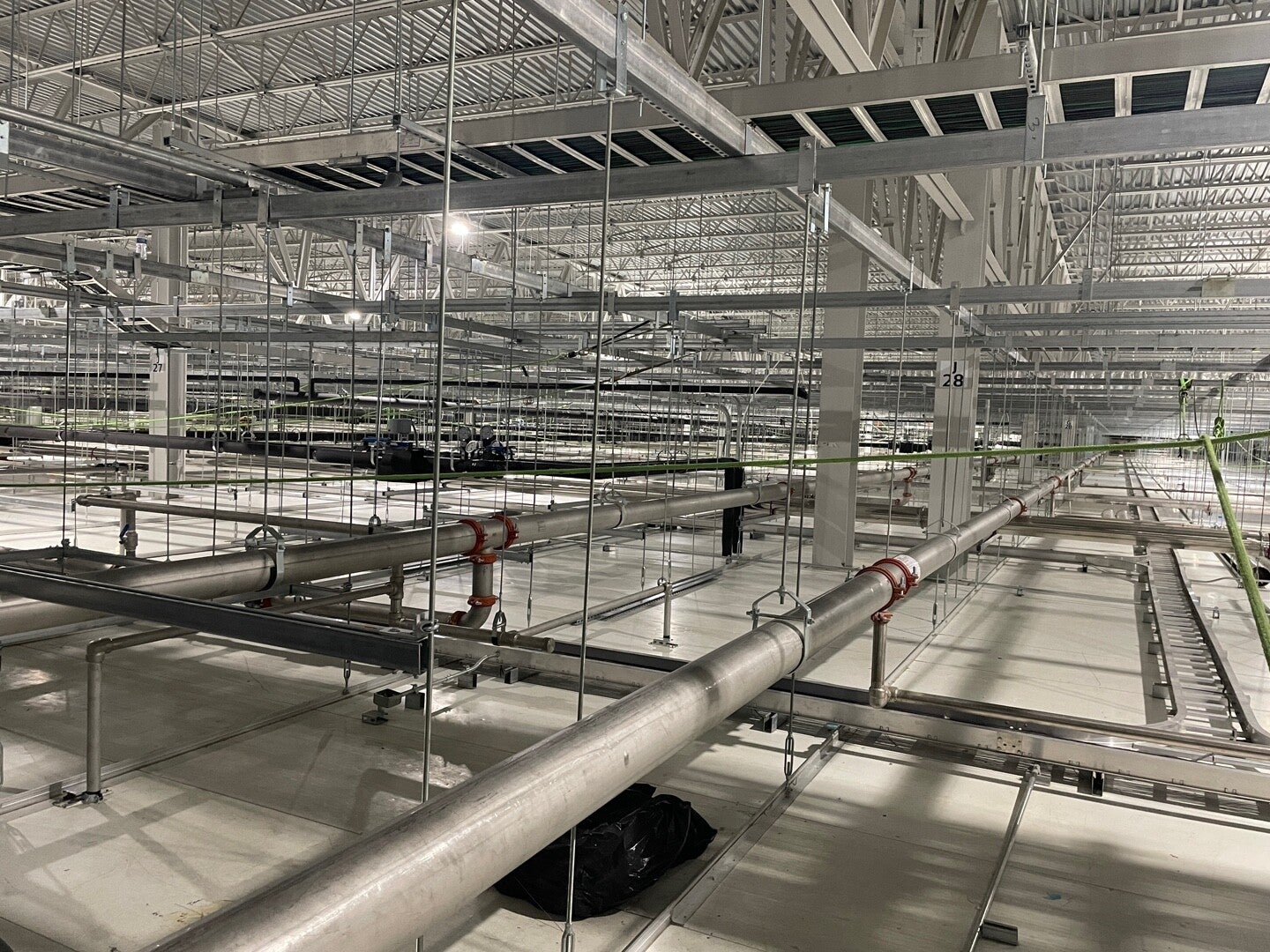
System Overview
Our centralized dust collection system is designed to provide consistent, high-efficiency dust removal across multiple production points within a facility. By capturing dust directly at the source and transporting it through a ducted network to a central filtration unit, the system helps maintain cleaner air, protect equipment, and improve overall workplace safety. Built for continuous industrial operation, the system combines durable construction, efficient airflow management, and advanced filtration technology to deliver reliable long-term performance in demanding environments.
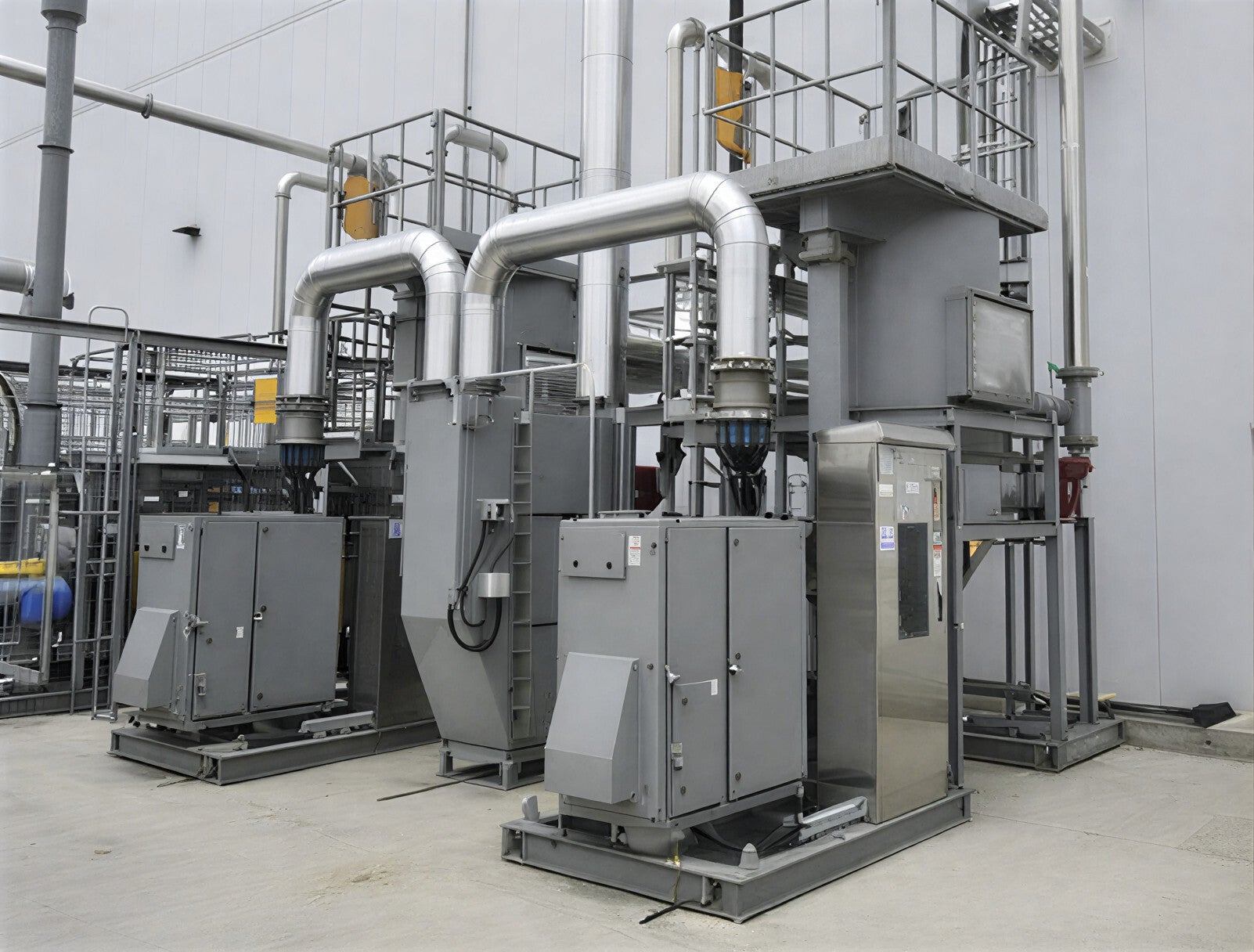
Key Features & Benefits
The centralized dust collection system is engineered for high-efficiency particulate capture and continuous industrial operation. Utilizing optimized airflow design and high-performance filtration media, the system effectively removes airborne contaminants at the source while maintaining stable static pressure throughout the duct network. Robust construction and industrial-grade components ensure durability under demanding operating conditions, while modular system architecture allows scalable integration with varying production layouts and process requirements.
Special Features:
- Explosion Isolation Valve (Backflow / Flame Arrest Damper)
- Explosion Ventilation Panel (Explosion Vent)
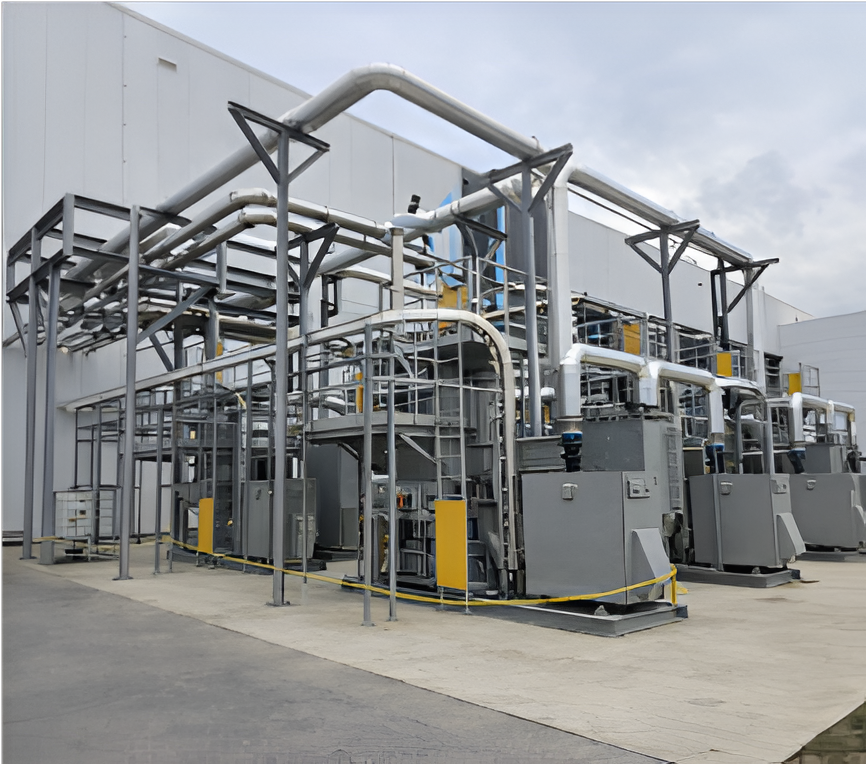
Specifications & Configuration
Each system is configured based on required airflow volume (CFM), dust loading characteristics, and facility operating conditions. Standard configurations may include high-efficiency filter assemblies, automated filter cleaning systems, heavy-duty fan units, ducting networks, and dust discharge mechanisms. System design parameters such as filtration efficiency, fan capacity, pressure loss, and electrical requirements are determined during the engineering process to ensure optimal performance and compliance with operational standards.